What Are Urinary Disorders?
12 January 2026
What Is Low Sexual Desire?
24 February 2026Hello, I am Professor Dr. Şükrü Kumsar. Today, we will discuss a topic that concerns both women and men, but is often associated only with women’s health: HPV and the HPV vaccine. One of the most frequently asked questions is whether men should also receive the HPV vaccine. Let us look for an answer to this question together in the light of scientific evidence.
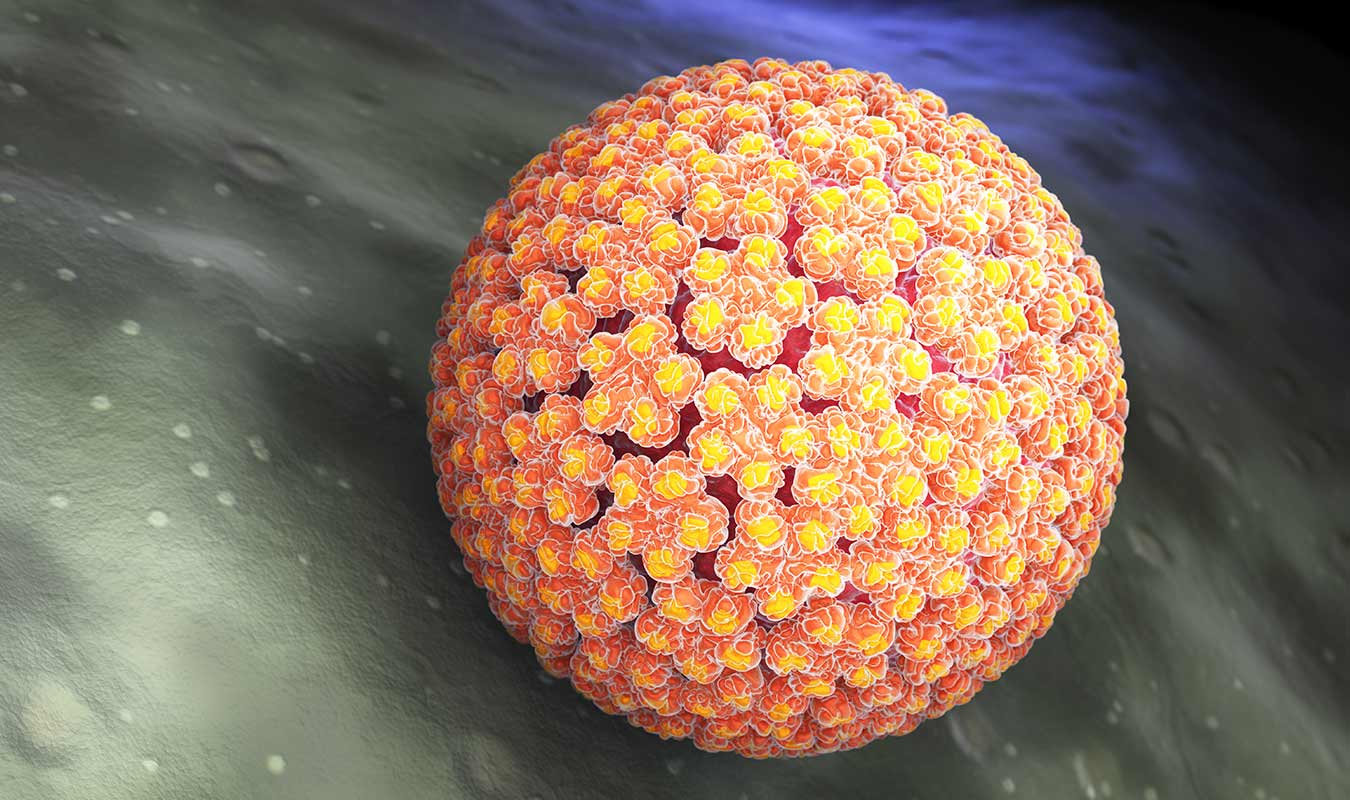
HPV, or human papillomavirus, is one of the most common sexually transmitted infections. To date, more than 200 types have been identified, and we know that some of these have the potential to cause cancer. In particular, types 16 and 18 are responsible for the majority of cervical cancers. However, HPV does not cause cancer only in women. In men, it can also lead to serious conditions such as penile cancer, anal cancer, and cancers of the oral and throat region. Of course, the incidence of these cancers is much lower compared to cervical cancer.
HPV Infection in Men and the Importance of Vaccination
In addition, HPV infection in men most commonly causes genital warts. These warts can be disturbing both aesthetically and psychologically, may recur frequently, and most importantly, the virus can be transmitted to partners through contact. For these reasons, the HPV vaccine is not only a women’s health issue but a public health matter that directly concerns men as well.
When we look at current vaccination guidelines in the United States and Europe, vaccination of boys between the ages of 9 and 14 is also recommended. Receiving the vaccine before the onset of sexual activity maximizes its protective effect. However, vaccination can also be recommended for young men up to the age of 26, and in certain high-risk groups, such as individuals with weakened immune systems, even up to the age of 45.
HPV vaccines are highly safe vaccines. To date, millions of doses have been administered worldwide, and the rate of serious side effects has been found to be very low. Today, nonavalent HPV vaccines, which are effective against nine high-risk HPV types associated with cancer, are also available in our country. Remember, getting vaccinated protects not only you, but also your partners and the future health of society.