Genital Condyloma Wart
Genital warts (condyloma) are a common condition caused by Human Papillomavirus (HPV) infection and are primarily transmitted through sexual contact. While some individuals may experience no symptoms, others may develop visible lesions that can cause cosmetic concerns, discomfort, or spread over time. Early diagnosis and appropriate treatment can help control genital warts effectively. For more information about genital warts and the treatment options available, please contact our clinic.
Prof. Dr. Şükrü Kumsar has extensive experience in the treatment of genital warts (HPV). Throughout his career, he has treated thousands of patients using laser therapy, electrocautery, and medical treatments. Treatment is individualized based on the extent and location of the lesions, as well as each patient’s clinical condition, in accordance with current evidence-based clinical practice.

Genital Warts (Condyloma) Treatment in Kadıköy, Istanbul
Searches such as genital warts treatment Istanbul Anatolian Side and genital warts treatment Kadıköy have increased significantly in recent years. The main reason for this is the widespread prevalence of HPV infections in the community and the growing awareness of the contagious nature of genital warts. Genital warts (condyloma) are raised lesions that appear in the genital area or around the anus, usually skin-colored or slightly darker in color. These warts may occur individually or may merge over time to form cauliflower-like clusters. They are usually painless, but as they grow, they can cause discomfort, itching, and aesthetic concerns. In this article, you will find scientific and comprehensive answers to the most frequently asked questions such as what genital warts are, how they are transmitted, what the symptoms are, how they are treated, and how genital warts treatment is planned in Kadıköy.
İçerik
- Genital Condyloma Wart
What Are Genital Warts (Condyloma)?
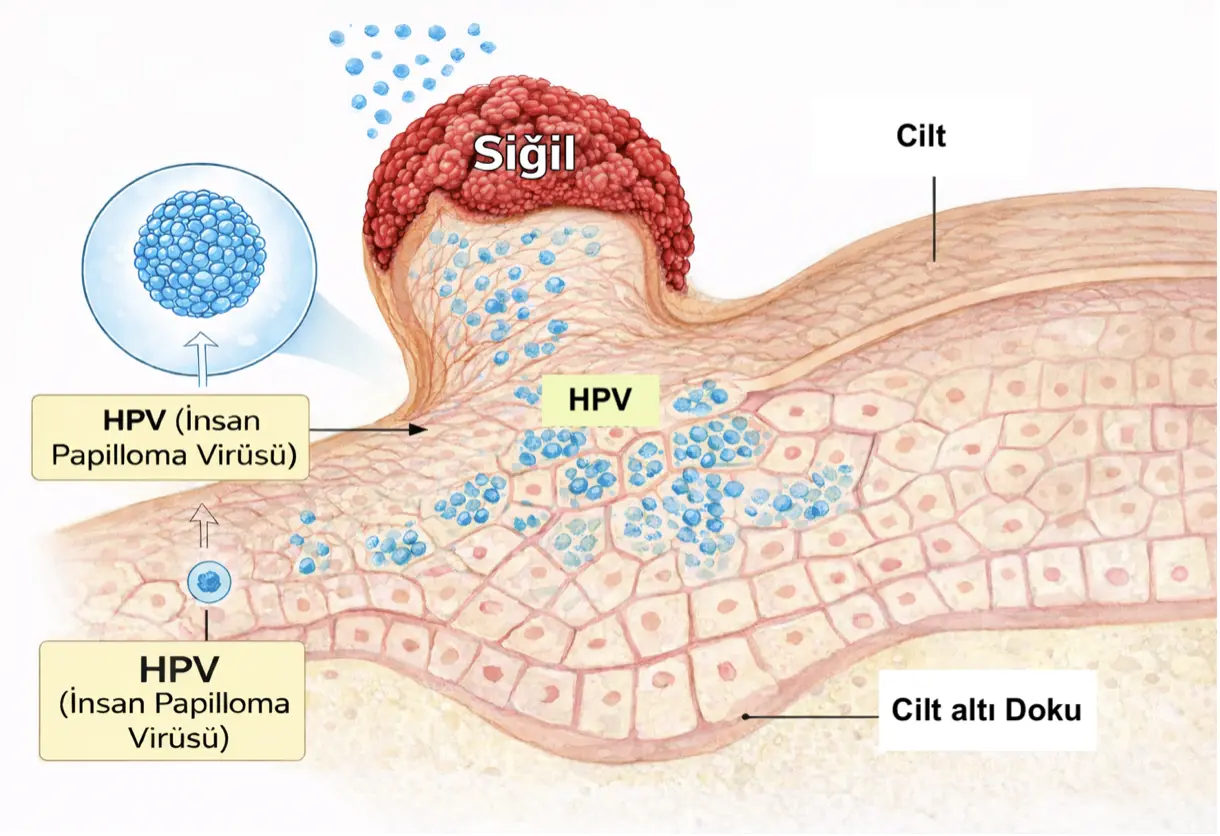
Genital warts (condyloma) are small, cauliflower-like growths that form on the skin’s surface, usually skin-coloured or darker. The primary cause of these warts is a virus known as HPV (Human Papilloma Virus). It is important to note that not every type of HPV causes warts, and not every genital wart carries a risk of cancer. Genital warts are the result of the HPV virus spreading through the skin.
Genital warts (condyloma) are a matter of both aesthetic and health significance. Warts appearing in the genital area can often lead to issues such as anxiety, embarrassment and social withdrawal in patients. For this reason, early diagnosis and the correct treatment approach are of great importance.
The underlying cause of genital warts is HPV (Human Papilloma Virus) infection. However, the focus of this page is not HPV itself, but rather the clinical presentation caused by HPV—genital warts—and their treatment methods.
Genital warts (condyloma) are raised lesions that appear in the genital area or around the anus; they are usually skin-coloured or slightly darker in hue. These warts may appear individually or, over time, merge to form clusters resembling cauliflower. They are usually painless but, as they grow, can cause discomfort, itching and cosmetic concerns.
Symptoms of Genital Warts
Genital warts may sometimes go unnoticed for a long time. However, the following symptoms are common:
- Small, raised lesions in the genital area
- Skin-coloured, grey or brown growths
- Warts that grow or multiply over time
- Itching or a mild burning sensation
- Discomfort or bleeding during intercourse
- Cauliflower-like clusters
If any of these symptoms are noticed, a specialist assessment must be carried out.

How Are Genital Warts Transmitted? (Causes)
The main cause of genital warts is the HPV virus. Transmission usually occurs through skin-to-skin contact.
Routes of transmission
- Sexual intercourse (vaginal, anal, oral)
- Skin-to-skin contact (can be transmitted even without full penetration)
- Direct contact with an infected area
- Rarely, through shared personal items
HPV is a very common virus, and most people come into contact with it at some point in their lives. However, not everyone develops warts. Whilst the virus can be suppressed in individuals with a strong immune system, in some people it manifests as warts.
Don't Delay, Let's Talk
Contact us for more information or to schedule an appointment.
Feneryolu Bağdat Avenue No: 85/1, 34724 Kadıköy / Istanbul – Turkey
Genital Warts in Men and Women
Genital warts can occur in both sexes, but their location differs:
Genital Warts in Men
In men, warts usually cluster on the shaft of the penis, the glans, the scrotum and around the anus. In men, the diagnosis is usually made through a physical examination. If left untreated, there is an increased risk of transmission to a partner, and the warts may spread to larger areas.
Genital Warts in Women
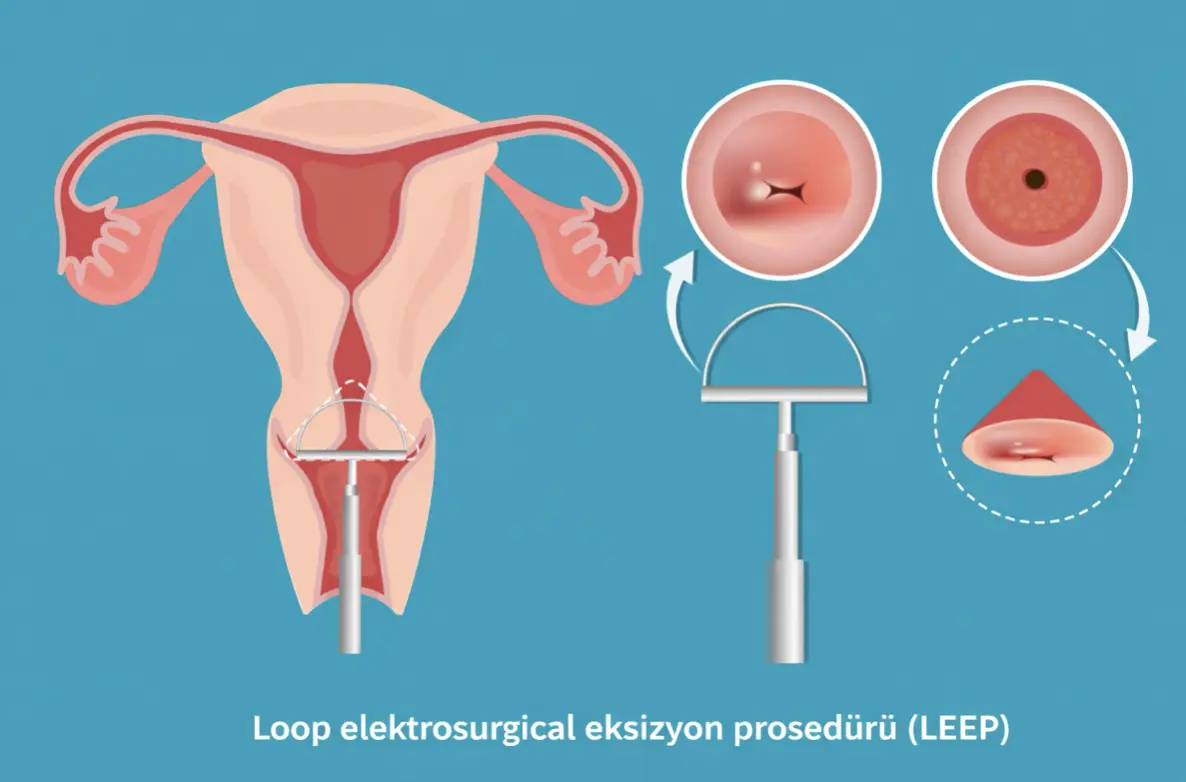
In women, warts can appear on the external genital area (vulva), inside the vagina, on the cervix, or around the anus. The presence of warts in women highlights the importance of regular gynaecological check-ups (Pap smear tests) for cervical health.
How Are Genital Warts Diagnosed?
The diagnostic process usually begins with a clinical examination by a specialist doctor:
- Physical Examination: In most cases, the characteristic appearance of the warts is sufficient for diagnosis.
- Examination with a Magnifying Glass: Special optical instruments may be used to identify small warts.
- Biopsy: In cases of suspicion or where the appearance is unusual, a tissue sample may be taken for pathological examination.
Genital Wart Treatment
The aim of treatment is to remove existing warts and minimise the risk of recurrence. The treatment method is determined based on the number, size and extent of the warts:
- Cryotherapy (Freezing): This involves freezing and removing the wart tissue using liquid nitrogen.
- Electrocoagulation (Cauterisation): This involves using an electric current to burn away the warts.
- Laser Treatment: In cases of large and stubborn warts, the wart tissue is removed using laser energy.
- Surgical Intervention: Very large warts can be surgically removed.
- Topical Creams: Special prescription creams that stimulate the immune system or damage the tissue may be used.
At our clinic in Kadıköy, Istanbul, we meticulously manage the diagnosis and treatment of genital warts using modern urological approaches. Genital warts, one of the most common sexually transmitted infections, can directly affect both physical comfort and psychological well-being. With early diagnosis and the right treatment plan, it is possible to manage this condition with confidence.
What should be taken into consideration after treatment?
- Keeping the area clean
- Avoiding sexual contact for a period of time
- Ensuring regular follow-up appointments
Genital Warts Treatment Cost in Istanbul
The cost of genital warts treatment may vary depending on the method used and the patient’s condition. The treatment plan is tailored individually, and the exact price can be determined after a medical examination.
Genital Warts Treatment in Kadıköy – Address: Feneryolu, Bağdat Avenue No: 85/1 Postal Code: 34724 Kadıköy / Istanbul – Türkiye
Which doctor should you see for genital warts?
For the treatment of genital warts:
- Urology (for male patients)
- Gynaecology and Obstetrics
- Dermatology
specialists may be consulted.
For lesions in the male genital area, an assessment by a urology specialist is particularly recommended.