Kidney Cysts
Kidney cysts are small fluid-filled or solid (complex) sacs that develop on or within the kidneys. Most people who have kidney cysts are unaware of them, as they often cause no symptoms. However, treatment may be necessary if a cyst is complex, becomes infected, or causes pressure on surrounding organs. For a detailed evaluation of kidney cysts and information about available treatment options, you can contact our clinic in Kadıköy, Istanbul, and receive an expert consultation.
Prof. Dr. Şükrü Kumsar has more than 20 years of clinical experience in the diagnosis, monitoring, and surgical treatment of kidney cysts. Throughout his career, he has evaluated and managed the care of hundreds of patients requiring follow-up or surgical intervention, providing individualized treatment in accordance with the latest evidence-based clinical guidelines.
What are kidney cysts?
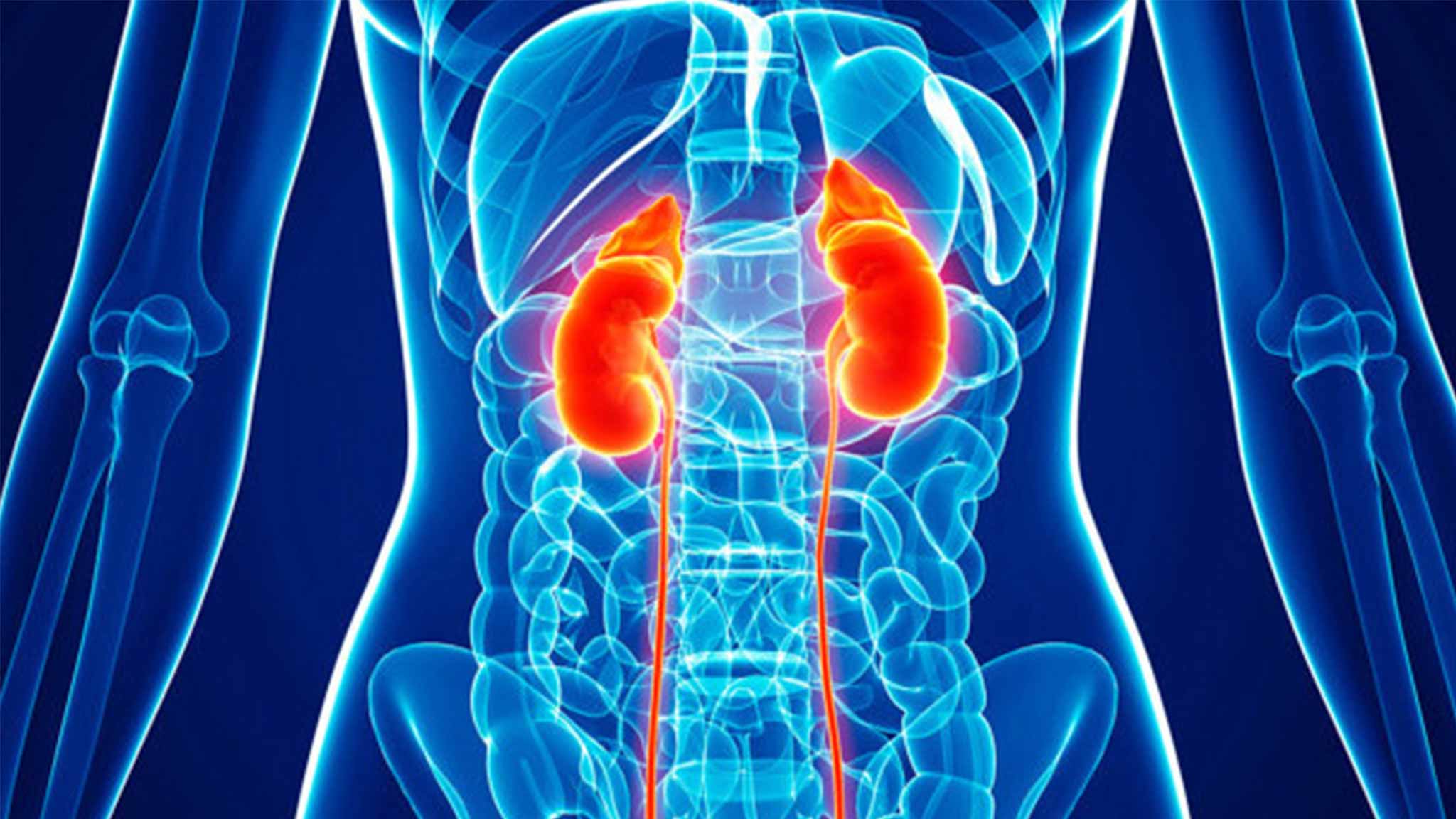
Kidney cysts (renal cysts) are usually small, round sacs with thin walls that are filled with clear fluid. As people age, cysts may develop on the surface of the kidneys or within structures called nephrons inside the kidneys.
The kidneys are part of your body’s filtration system. Nephrons consist of a filter and a tubule. As blood passes through the kidneys, nephrons filter excess water and waste products, which are then excreted from the body through urine.
The size of kidney cysts can vary, but most are smaller than 5 cm (about 2 inches). They may grow over time or remain the same size. Some people have multiple cysts, while others have only one. One or both kidneys may contain one or multiple cysts.
Kidney cysts usually do not affect kidney function and are often not a cause for concern. However, in rare cases, very large cysts may cause pain due to pressure effects. In some situations, kidney cysts may appear suspicious on imaging, and additional tests or surgical removal of the cyst may be recommended.
Don't Delay, Let's Talk
Contact us for more information or to schedule an appointment.
Feneryolu Bağdat Avenue No: 85/1, 34724 Kadıköy / Istanbul – Turkey
Types of Kidney Cysts
There are generally two types of kidney cysts: simple and complex. Most kidney cysts are simple cysts. A classification system called the Bosniak system is used to categorize kidney cysts. This system is named after the physician who developed it and consists of five categories.
Simple Kidney Cysts
Simple kidney cysts are almost always non-cancerous (benign) and harmless. Unless they become very large, they usually do not cause symptoms, and most people are unaware of their existence. Simple cysts are fluid-filled, round, and have thin walls. In the classification system, they are categorized as Category I and do not require follow-up or treatment.
Complex Kidney Cysts
Complex kidney cysts may be cancerous or have the potential to become cancerous. For this reason, your doctor may monitor, treat, or remove these cysts. They differ in appearance from simple cysts. Complex kidney cysts may be solid (without fluid), irregularly shaped, or have thick outer walls. They are much less common than simple cysts.
Your doctor classifies complex cysts as Category II, IIF, III, or IV.
- Category II cysts may not require follow-up.
- Category IIF cysts require follow-up (“F” stands for follow-up), and the cancer risk is approximately 5%.
- Category III cysts have a 50–80% risk of being cancerous and therefore require surgical removal.
Category IV cysts have an approximately 90% risk of cancer and must be removed.

Should I Be Concerned About a Kidney Cyst?
Simple kidney cysts are almost always harmless. They are called “simple” because the likelihood of developing into a serious condition is very low. Complex cysts, however, may sometimes be a sign of kidney cancer. Therefore, your doctor may choose to monitor these cysts for malignant changes or remove them surgically.
How Common Are Kidney Cysts?
Simple kidney cysts are most commonly seen in people over the age of 50. Approximately half of individuals over 50 have at least one kidney cyst. Kidney cysts are more common in men than in women.
Symptoms and Causes
What Symptoms Do Kidney Cysts Cause?
Simple kidney cysts usually do not cause symptoms. In fact, most people with these cysts are unaware that they have them. Cysts become problematic when they rupture, bleed, become infected, or grow large enough to press on surrounding tissues and organs.
When simple kidney cysts cause symptoms, the following may occur:
- Pain or discomfort in the side, abdomen, or back between the ribs and hips
- Fever
- Frequent urination
- Blood in the urine or dark-colored urine
Depending on their location, cysts may affect how the kidney functions. They may also cause high blood pressure by compressing kidney blood vessels.
What Causes Kidney Cysts?
Kidney cysts develop when a nephron tubule swells and fills with fluid. Although the exact cause is unknown, researchers know that simple cysts are not inherited. Minor injuries or microscopic blockages in the tubules are thought to contribute to the development of simple kidney cysts.
Risk Factors for Simple Kidney Cysts
It is not fully understood why kidney cysts occur more frequently in some individuals. However, being over the age of 50 is known to increase the risk.
Certain medical conditions may be associated with kidney cysts, including:
- Polycystic kidney disease
- Chronic kidney disease (CKD)
- Von Hippel–Lindau disease
- Tuberous sclerosis syndrome (TSC)
Complications of Simple Kidney Cysts
Because most kidney cysts are simple cysts, they usually do not cause complications or long-term problems. If your healthcare provider suspects that a cyst is complex, they may monitor it for changes or recommend surgical removal.
Kidney cysts may cause the following complications:
- Infection: The cyst becomes infected and causes pain and fever
- Urinary obstruction: The cyst may grow large enough to block urine flow, leading to kidney damage and infections
- Cyst rupture: The cyst may burst, causing abdominal or flank pain and blood in the urine
- Bleeding into the cyst: Internal bleeding may occur, leading to rupture and bleeding around the kidney
Diagnosis and Tests
How Are Simple Kidney Cysts Diagnosed?
Kidney cysts are often discovered incidentally during imaging tests performed for another reason. If a cyst is detected, additional tests may be recommended to determine whether it is simple or complex.
- Ultrasound: Uses high-frequency sound waves and echoes to create images of the kidneys
- Computed tomography (CT): Uses X-rays and computer processing to create three-dimensional images of the kidneys
- Magnetic resonance imaging (MRI): Uses powerful magnets, radio waves, and computer processing to create detailed images of the kidneys; MRI helps distinguish fluid-filled cysts from solid masses
- Kidney function tests: Blood and urine tests show how well the kidneys are working and whether the cyst is affecting kidney function
If a kidney cyst is detected incidentally, your doctor may recommend monitoring it. Imaging tests are usually repeated at intervals ranging from six months to two years. If symptoms related to the cyst develop between follow-up visits, you should consult your doctor sooner.
Treatment and Management
How Is a Kidney Cyst Treated?
In most cases, simple kidney cysts do not require treatment. However, if a cyst presses on another organ or affects kidney function, removal may be necessary. If your doctor believes the cyst is cancerous or may become cancerous, surgical removal may be recommended.
The two most commonly used treatment methods are:
Aspiration and sclerotherapy: Under local anesthesia, a long needle is inserted through the skin into the cyst to drain the fluid. In some cases, a special solution is injected to prevent the cyst from refilling. Because recurrence rates are relatively high, this method is usually preferred for patients with a high surgical risk.
Surgery: Surgical removal of the cyst is usually performed laparoscopically. Small incisions are made in the abdomen, and thin instruments are inserted. During surgery, the cyst is drained and then the outer wall of the cyst is cut or cauterized.
Course / Prognosis
What Is the Prognosis for a Person with a Kidney Cyst?
Because simple kidney cysts are almost always harmless, the prognosis is excellent. Even in cases where cysts are treated due to infection, rupture, or obstruction, treatment is highly effective and most people recover completely.
If you have a complex kidney cyst, your doctor may either remove it or monitor it closely. Removing a complex cyst before it becomes cancerous is usually very effective and associated with few complications.
Prevention
Can Simple Kidney Cysts Be Prevented?
Simple kidney cysts cannot be prevented. However, you can reduce your risk by:
- Drinking plenty of water
- Avoiding excessive salt intake
- Keeping chronic conditions such as diabetes or high blood pressure under control
Should a Simple Kidney Cyst Be Monitored Over Time?
It is very important for a urologist to evaluate the type and location of the kidney cyst. Features such as wall thickness, fluid density, and irregular cyst wall shape may indicate a risk of cancer.
In general, small and simple cysts do not require follow-up. However, the most appropriate person to determine whether monitoring is necessary and how often it should be done is your doctor.