What Are Urinary Disorders?
12 January 2026
What Is Low Sexual Desire?
24 February 2026İçerik
Human Papilloma Virus (HPV) is one of the most common sexually transmitted infections worldwide. Although it is generally associated with cervical cancer in women, HPV infection in men is of critical importance in terms of both health and transmissibility. A significant proportion of men may be unaware that they carry the virus, which increases the rate at which the virus spreads within the community. At our clinic in Kadıköy, Istanbul, we carry out comprehensive diagnostic and treatment processes for the management of HPV in men.
What is HPV in men?
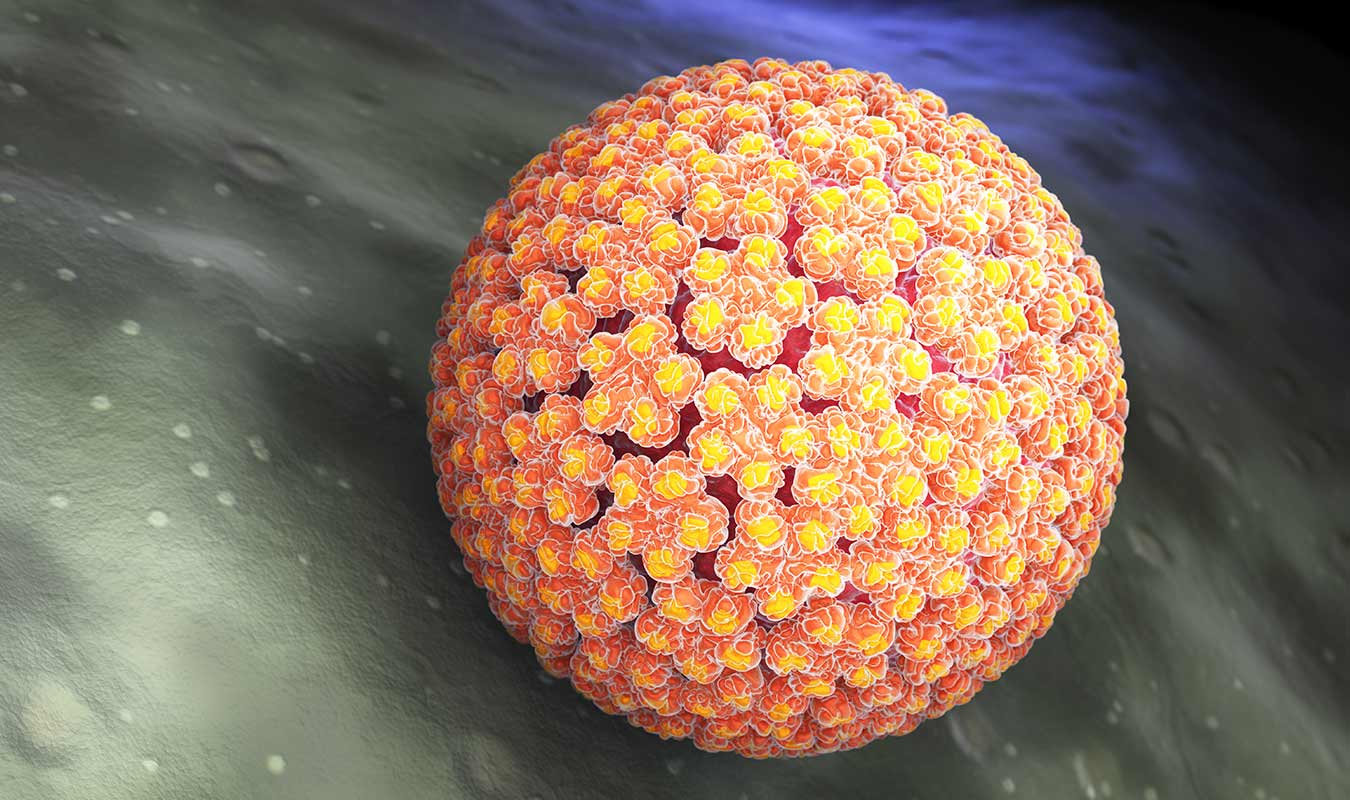
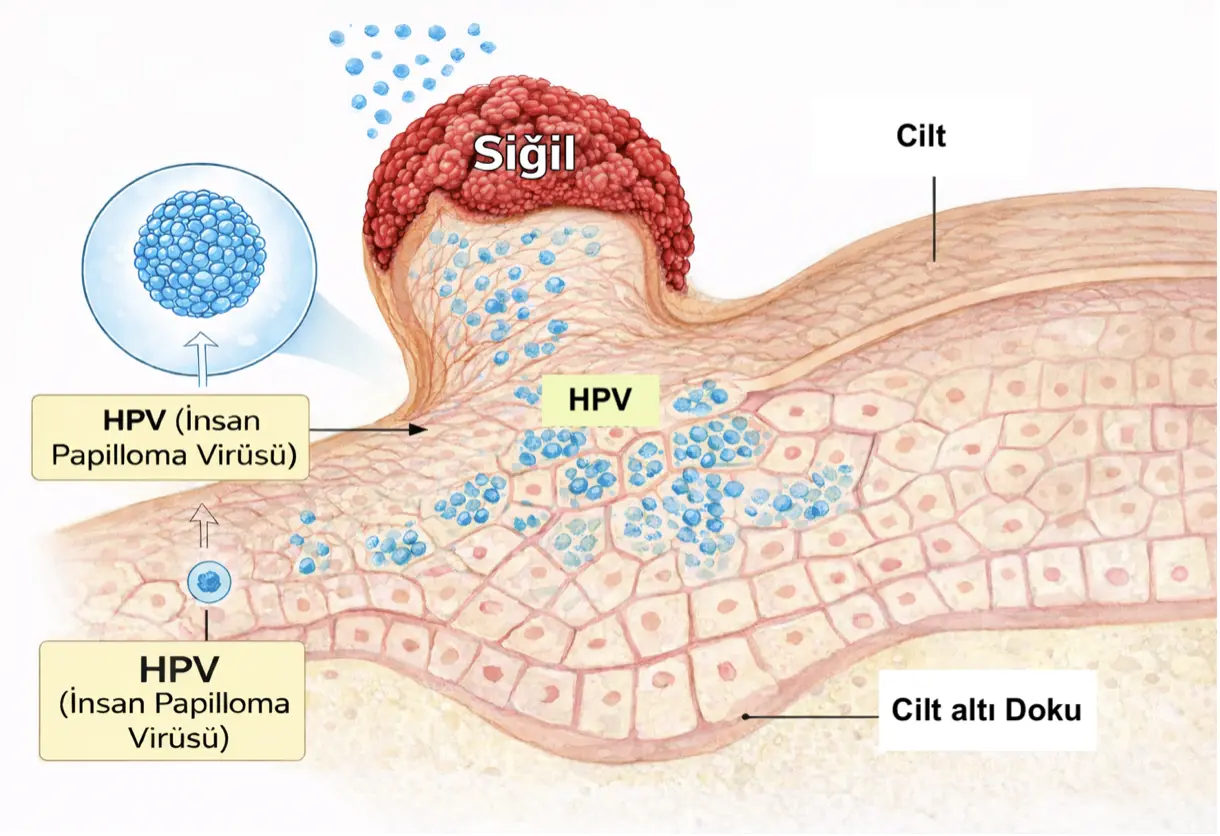
In men, HPV is a family of viruses that affects the skin and mucous membranes, comprising over 200 subtypes. Whilst some of these viruses cause warts (condylomas) in the genital area, others are associated with cancers of the penis, anus and oropharynx (throat). In most men, the immune system can clear the virus from the body within 1–2 years; however, if the virus persists in the body, serious health problems may arise.
What Are the Symptoms of HPV in Men?
HPV infection often progresses without any symptoms (asymptomatic). However, when it becomes clinically apparent, the following symptoms may be observed:
- Genital Warts: Flesh-coloured, pink or brown raised lesions, sometimes resembling cauliflower, forming on the shaft of the penis, the scrotum, around the anus or in the groin area.
- Itching and Discomfort: A mild sensation of itching, burning, or tenderness in the area where the warts are present.
- Urinary Tract Problems: If the warts are located inside the urethral opening (meatus), this may cause a split stream or bleeding.
- Abnormal Skin Changes: Non-healing sores, changes in colour or thickening in the penis or anal area (may be a sign of pre-cancerous lesions).
Genital Warts in Men
Genital warts are one of the most common sexually transmitted viral infections in men. Caused by the Human Papillomavirus (HPV), these lesions are often painless and may go unnoticed for a long time. While some men develop only a single small wart, others may develop multiple warts that spread rapidly over a larger area.
After HPV infection, genital warts do not always appear immediately. The virus can remain dormant in the body for months or even years. Therefore, the appearance of genital warts does not necessarily indicate a recent HPV infection.
Genital warts in men are more than just a cosmetic concern. If left untreated, they may enlarge, increase in number, spread to sexual partners, and in some cases negatively affect daily life and sexual well-being. For this reason, early diagnosis and appropriate treatment are essential.
Where Do Genital Warts Most Commonly Occur in Men?
HPV can affect different areas of the male genital region.
The most commonly affected sites include:
- Penile shaft
- Glans penis (head of the penis)
- Foreskin
- Base of the penis
- Scrotum
- Groin area
- Perineum (the area between the scrotum and the anus)
- Around the anus (perianal region)
In some patients, genital warts are limited to a single area, while others may develop lesions in multiple anatomical regions at the same time. In particular, warts around the anus may not be easily visible and are sometimes detected only during a specialist examination.
Symptoms of Genital Warts in Men
The symptoms of genital warts can vary from one person to another. Common signs and symptoms include:
- Small raised bumps on the penis
- Skin tag-like growths
- Cauliflower-shaped lesions
- Itching
- Mild burning sensation
- Bleeding during shaving
- Irritation during sexual intercourse
- An increase in the number of warts over time
Some men may have no symptoms at all. In these cases, genital warts may only be noticed by a sexual partner or detected during a routine urological examination.
Genital Warts on the Glans Penis
One of the most common sites affected by HPV is the glans penis (head of the penis). Warts on the glans typically begin as small, soft, flesh-coloured lesions but may gradually enlarge or increase in number over time.
Genital warts on the glans may:
- Become irritated during sexual intercourse
- Bleed after friction or minor trauma
- Make genital hygiene more difficult
- Cause cosmetic concerns
When treating warts in this area, preserving the surrounding healthy tissue is particularly important. For this reason, the treatment approach should be individually tailored according to the size, number, and location of the lesions.
Genital Warts on the Foreskin
In uncircumcised men, HPV infection may also affect the inner surface of the foreskin. Warts in this area can be very small and sometimes difficult to detect during self-examination. Because the area beneath the foreskin is warm and moist, lesions may grow and spread more rapidly.
In patients with recurrent HPV infections, circumcision may be considered as part of the treatment strategy. However, this decision should always be made on an individual basis after a thorough clinical evaluation.
Genital Warts on the Scrotum and Groin
HPV infection is not limited to the penis. The scrotum and groin are also common sites where genital warts may develop.
Warts in these areas may:
- Rub against underwear
- Become irritated
- Bleed
- Cause itching and discomfort
Larger lesions may also lead to cosmetic concerns and negatively affect a patient’s quality of life.
Can Genital Warts Cause Infertility in Men?
Genital warts themselves do not impair sperm production and have not been proven to directly cause male infertility. However, scientific research is ongoing regarding the possible effects of certain HPV types on sperm quality and male fertility.
The main concerns associated with genital warts include:
- Transmission of HPV to sexual partners
- A tendency for recurrence after treatment
- Psychological distress
- Negative effects on sexual well-being and quality of life
What Happens If Genital Warts in Men Are Left Untreated?
In some cases, small genital warts may regress spontaneously as the immune system suppresses the virus. However, in many patients, untreated genital warts may:
- Increase in number
- Grow larger in size
- Merge into larger clusters
- Continue to spread the virus to sexual partners
- Become more difficult to treat over time
For these reasons, any new lesion noticed in the genital area should be evaluated by a urologist. Early diagnosis and appropriate treatment can help prevent progression, reduce the risk of transmission, and improve treatment outcomes.
What Happens if a Man Has HPV?
- My partner has tested positive for HPV; do I have it too?
- If HPV is detected in one sexual partner, the likelihood of the other partner also carrying the virus is quite high. However, if a man does not have warts, whether he actively transmits the virus or develops the disease depends on his immune system.
How Is the HPV Test Performed in Men?
There is no direct equivalent in men of the routine ‘Smear’ test performed on women. HPV testing and diagnosis in men are carried out using the following methods:
| Method | Description |
|---|---|
| Physical Examination | Examination of the genital area by a specialist urologist or andrologist using a magnifying device (colposcope or dermatoscope). |
| Acetic Acid Test | A special solution is applied to the suspected area to cause lesions to turn white and become visible. |
| Swab (PCR) Test | Determination of the virus’s DNA and type using samples taken from the glans penis, urethra or warts. |
HPV Treatment in Men: How Does It Work?
Firstly, it should be noted that, just as with the flu virus, there is no medication that directly eradicates the HPV virus from the body. HPV treatment in men focuses on eliminating the ‘damage’ caused by the virus, namely warts and precancerous cells.
Modern Treatment Methods
- Cryotherapy (Freezing): This involves freezing the wart using liquid nitrogen. It is a practical and quick method.
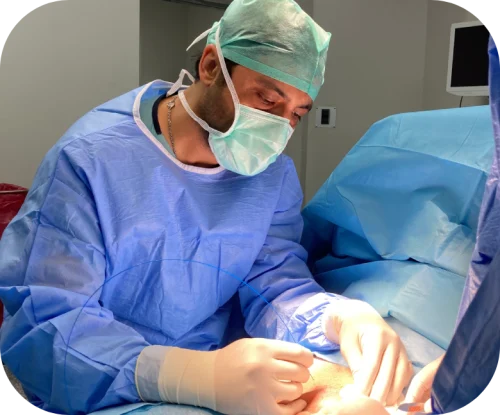
- Electrocoagulation (Cauterisation): This involves burning the wart tissue using electrical energy. It has a high success rate in achieving definitive results in a single session.
- Laser Treatment: This is applied with high precision, particularly for widespread or resistant warts, without damaging the surrounding tissue.
- Surgical Excision: Warts that form in very large clusters are surgically removed.
- Medication: Creams that can be applied at home draw the immune system to the area, causing the warts to fall off.
HPV Treatment Cost in Men in Istanbul
The cost of HPV treatment in men may vary depending on the method used and the patient’s condition. The treatment plan is individualized, and the exact price can be determined after a medical examination.
HPV Treatment for Men in Kadıköy – Address: Feneryolu, Bağdat Avenue No: 85/1 Postal Code: 34724 Kadıköy / Istanbul – Türkiye
HPV Vaccination for Men
The HPV vaccine for men is of vital importance not only for protecting the individual but also for preventing the transmission of the virus to their partner. Today, 9-valent (Gardasil 9) vaccines provide over 90% protection against the nine most common types of HPV that cause warts and carry a cancer risk.
- It is routinely recommended for all men aged 9–26.
- It may also be administered to adults up to the age of 45, subject to specialist advice.
- The vaccine continues to provide protection against other types, even if you have previously been exposed to HPV.
What Should You Be Aware Of During the HPV Process?
A man infected with HPV should follow these steps:
- Boosting the Immune System: Quitting smoking (smoking makes it harder for the body to clear HPV), getting regular sleep and eating a healthy diet.
- Local Hygiene: Avoid cleaning the area with warts using a razor; this can cause the virus to spread to other areas through microscopic cuts (autoinoculation).
- Partner Information: Your partner must also be examined and, if necessary, vaccinated.