Can an Enlarged Prostate Cause Erectile Dysfunction?
12 July 2026
Causes of Premature Ejaculation
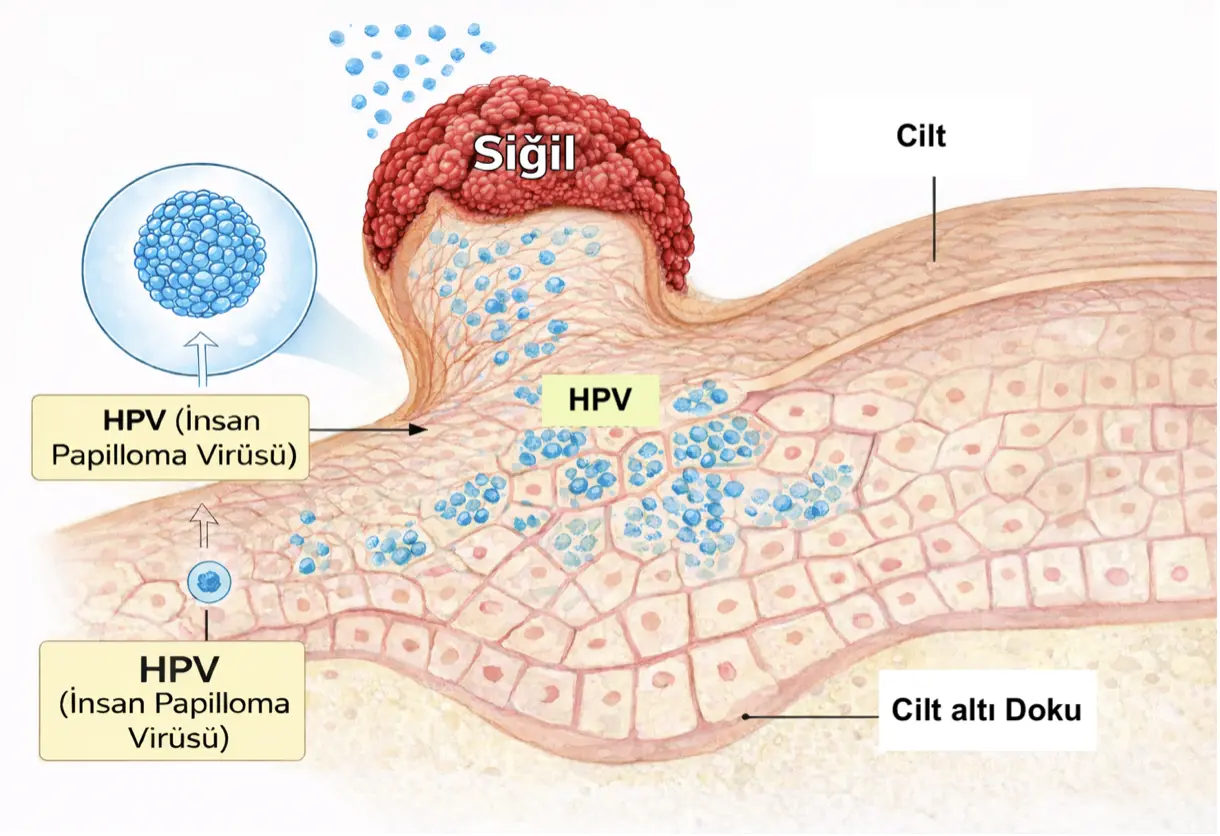
6 August 2026Genital warts (condyloma acuminata) are benign skin and mucosal lesions that develop as a result of infection with the Human Papillomavirus (HPV). In women, they may occur on the external genitalia, inside the vagina, or on the cervix. HPV is one of the most common sexually transmitted infections worldwide, and most women are exposed to the virus at some point in their lives. However, not every woman infected with HPV develops genital warts. In many cases, the immune system suppresses the virus, allowing the infection to remain asymptomatic.
Genital warts are most commonly caused by the low-risk HPV types HPV 6 and HPV 11, which are generally not associated with cancer. However, HPV infection in women involves more than just visible genital warts. High-risk HPV types that affect the cervix should also be considered. For this reason, women diagnosed with genital warts should undergo a gynaecological evaluation when clinically indicated.
In many women, genital warts are initially very small and may not cause any symptoms. Lesions located inside the vagina or on the cervix often go unnoticed and may only be detected during a routine gynaecological examination.
Where Do Genital Warts Most Commonly Occur in Women?
HPV infection can affect different parts of the female genital tract.
The most common sites include:
- Vulva (external genital area)
- Labia majora
- Labia minora
- Around the clitoris
- Vaginal opening
- Inside the vagina
- Cervix
- Perineum
- Around the anus (perianal region)
Some women develop only a single small wart, while others may have multiple lesions affecting several anatomical areas simultaneously.
Symptoms of Genital Warts in Women
Genital warts may remain asymptomatic for a long time.
When symptoms occur, they most commonly include:
- Small raised bumps in the genital area
- Skin tag-like growths
- Itching
- Mild burning sensation
- Irritation
- Discomfort during sexual intercourse
- Light bleeding after contact
- A persistent feeling of moisture in the genital area
In some women, genital warts are primarily a cosmetic concern, while in others they may negatively affect sexual well-being and quality of life.
Can Genital Warts Develop Inside the Vagina?
Yes. HPV infection is not limited to the external genital area. Genital warts may also develop inside the vagina and often remain unnoticed for a long time because the lesions are not visible and may not cause pain. As a result, many cases are detected incidentally during routine gynaecological examinations.
Some women may experience:
- Discomfort during sexual intercourse
- Light vaginal bleeding
- Vaginal irritation
Can Genital Warts Occur on the Cervix?
Yes. The cervix is one of the most important sites that can be affected by HPV infection. However, an important distinction should be made. HPV infection of the cervix is not the same as visible genital warts affecting the external genital area.
Visible genital warts are usually caused by low-risk HPV types, whereas high-risk HPV types are more commonly associated with cellular changes of the cervix that may require further evaluation. For this reason, women with genital warts should be assessed by a gynaecologist to determine whether additional investigations are needed, including:
- Cervical smear (Pap smear)
- HPV DNA testing
- Colposcopic examination

Can Genital Warts Occur During Pregnancy?
Yes. Hormonal changes and alterations in the immune system during pregnancy may cause existing genital warts to enlarge or become more noticeable.
The presence of genital warts does not automatically mean that a Caesarean section is required. However, when large lesions obstruct the birth canal or in other special circumstances, the most appropriate mode of delivery should be determined by an obstetrician and gynaecologist. If treatment is required during pregnancy, the choice of therapy should be based on the extent of the lesions, the stage of pregnancy, and the mother’s overall health.
What Happens If Genital Warts in Women Are Left Untreated?
Some small genital warts may regress spontaneously as the immune system suppresses the infection.
However, in many women, untreated genital warts may:
- Increase in number
- Grow larger in size
- Merge into larger lesions
- Cause discomfort during sexual intercourse
- Continue to transmit HPV to sexual partners
For these reasons, any new lesion noticed in the genital area should be evaluated by a healthcare professional.
Why Are Regular Gynaecological Examinations Important?
The presence of genital warts does not mean that a woman has cervical cancer. However, women with HPV infection should have their cervical health monitored regularly. Routine Pap smear and HPV DNA testing can detect abnormal cervical cell changes at an early stage, often before symptoms develop. Early detection allows appropriate treatment and follow-up to be planned, significantly reducing the risk of serious cervical disease.
Therefore, women with genital warts should attend regular gynaecological check-ups not only for the management of visible lesions but also for monitoring the potential effects of HPV infection on cervical health.
Why Is Partner Evaluation Important?
HPV infection often affects both sexual partners. When genital warts are diagnosed in a woman, her male partner may still carry HPV even if he has no visible warts or symptoms.
Evaluating the partner when appropriate is important for:
- Reducing the risk of new HPV transmission
- Lowering the risk of recurrence
- Planning simultaneous treatment when necessary
Prof. Dr. Şükrü Kumsar’s Perspective
The goal of treating genital warts in women extends beyond simply removing the visible lesions. A comprehensive approach should include accurate assessment of the HPV infection, reducing the risk of transmission, evaluating the sexual partner when appropriate, and establishing an appropriate long-term follow-up plan. Successful management depends on an accurate diagnosis, an individualized treatment strategy, and regular follow-up examinations.
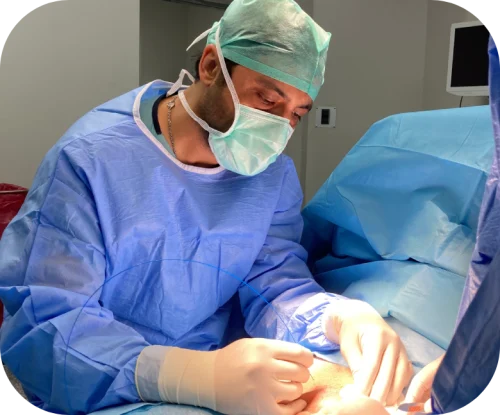
HPV Treatment Cost for Women in Istanbul
The cost of HPV treatment for women varies depending on the treatment method required and the patient’s individual condition. As every treatment plan is tailored to the patient’s specific needs, the exact cost can only be determined after a comprehensive medical examination.
HPV Treatment for Women in Kadıköy, Istanbul
Address:
Feneryolu, Bağdat Avenue No: 85/1
34724 Kadıköy, Istanbul, Türkiye