Why Is Pre-Marital Male Health Screening Important?
1 December 2025
How Is Penile Prosthesis Surgery Performed?
27 December 2025Urology is the branch of medicine that deals with the diagnosis and treatment of diseases related to the urinary tract and the male reproductive system. Many different conditions affecting women, men, and children fall within the scope of urology. It covers a wide range of conditions, from commonly encountered urinary tract disorders in daily life to diseases of the reproductive system, sexual dysfunctions, and their advanced surgical treatments.
What Does a Urologist Do?
A urology doctor (urologist):
-
diagnoses diseases of the urinary tract and reproductive system,
-
plans medical or surgical treatment,
-
provides long-term follow-up care.
Urologists are experienced in both medical treatments and minimally invasive as well as open surgical procedures.
Which Diseases Does Urology Treat?
Male Urology (Andrology)
The most common reasons men consult a urologist include:
-
Erectile dysfunction
-
Premature ejaculation
-
Penile curvature (Peyronie’s disease)
-
Low testosterone levels (hypogonadism)
-
Male infertility
-
Varicocele
-
Advanced erectile dysfunction requiring penile prosthesis
Many of these conditions can now be successfully managed with effective and long-lasting treatments.
Don't delay, let's meet now !
- Feneryolu Bagdat Avenue No 85/1 Postal Code: 34724 Kadıköy/İstanbul - Turkey
Female Urology
The main conditions within the scope of urology in women include:
-
Frequent urination
-
Urinary incontinence
-
Burning or pain during urination
-
Recurrent urinary tract infections
-
Bladder disorders
These problems can significantly affect daily quality of life and are often treatable.
Kidney and Urinary Tract Diseases
-
Kidney stones
-
Urinary tract stones
-
Kidney cysts
-
Kidney cancer
-
Bladder cancer
-
Urinary tract obstructions
-
Blood in the urine (hematuria)
Today, the surgical treatment of these diseases can largely be performed using minimally invasive methods such as robotic, laparoscopic, or endoscopic techniques.


Prostate Diseases
-
Benign prostatic hyperplasia (BPH)
-
Prostatitis
-
Prostate cancer
Prostate-related complaints are quite common, especially in men over the age of 50. Early diagnosis and appropriate treatment can significantly improve quality of life in these patients.

When Should You See a Urologist?
A urological evaluation is strongly recommended if any of the following symptoms are present:
-
Difficulty or burning during urination
-
Frequent nighttime urination
-
Urinary incontinence
-
Erectile or ejaculation problems
-
Groin, testicular, or lower back pain
-
Blood in the urine
-
Urinary problems in children
-
Sexual health–related concerns
What Is Done During a Urological Examination?
A urological examination is planned based on:
-
a detailed medical history,
-
physical examination,
-
and necessary blood, urine, and imaging tests.
When required, advanced diagnostic methods and treatment options are evaluated together with the patient.
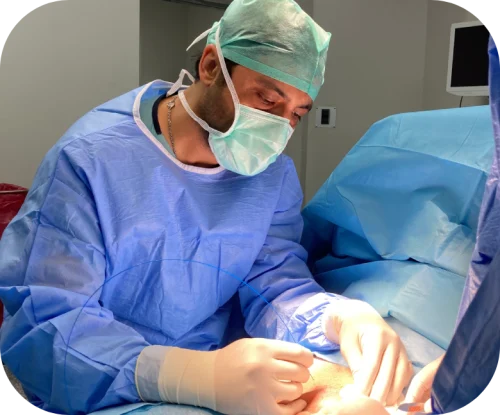
Personalized Treatment Approach in Urology
Each patient’s symptoms, expectations, and lifestyle are different. Therefore, a personalized treatment plan is of great importance in urology. Especially in male sexual health and andrology, choosing the right treatment for the right patient is the most critical factor determining success.