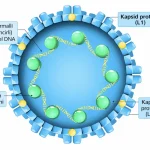
What is HPV?
25 March 2026
Intermittent Premature Ejaculation
16 April 2026Prostate cancer is the most common cancer in men and is seen in nearly one out of every eight men. It is especially common after the age of 50. Today, the increase in screening methods and advancements in imaging techniques such as MRI allow us to detect prostate cancer at an earlier stage. In some cases, the disease is detected so early that even if no treatment is given and only monitoring is performed, no change may be observed for up to 10 years.
Don't delay, let's meet now !
- Feneryolu Bagdat Avenue No 85/1 Postal Code: 34724 Kadıköy/İstanbul - Turkey
What Is Active Surveillance and How Is It Applied?
In this group of patients, an approach called “active surveillance” is used. In this method, the disease is diagnosed, but treatment is not started immediately. Instead, the progression of the disease is monitored at regular intervals. These follow-ups are performed using PSA level measurements, MRI imaging, and repeated biopsies when necessary.
If progression of the cancer is detected during follow-up, then surgical or other treatment options may need to be initiated. The main rationale of this approach is to avoid unnecessary treatments and potential complications associated with treatment.
However, it should be emphasized again that active surveillance should be applied only to a limited group of patients based on the stage of the disease, PSA levels, and certain pathological parameters. In addition, it is very important that the patient is well-informed about this approach and is compliant with the follow-up process.