Selective Dorsal Neurectomy (SDN)
6 November 2025
Urinary Incontinence Surgery
25 November 2025How Does the Urinary Tract Work?
The kidneys, ureters, bladder and urethra are parts of the urinary tract. They are the organs in our body that produce, store and expel urine. You have two kidneys that produce urine. Urine from the kidneys flows into the bladder through the ureters. Urine is stored in the bladder. Urine is expelled from the bladder through the urethra. In males, the urethra passes through the prostate. In females, a short urethra opens directly from the bladder to the upper part of the vagina.
When the bladder is not full, it is relaxed. When the bladder is full, signals sent to your brain trigger the urge to urinate. When you are ready, the brain sends a signal to the urethral sphincter muscle (located at the top of the urethra) and the bladder. The urethral sphincter muscle relaxes and opens the urethra, while the bladder muscle contracts (or tightens) and pushes urine out of the urethra, emptying the bladder. After you urinate, the sphincter muscle closes (or tightens) again and holds urine in the bladder. It opens again when your brain tells you that you are ready to urinate again.
In cases of urinary incontinence, some parts of this system do not function as they should.
What is Urinary Incontinence?
Urinary incontinence is the inability to control one's bladder, resulting in the involuntary leakage of urine. This problem occurs when there is a disruption in the communication between the bladder, urethra, pelvic floor muscles, and nervous system. If the fear of urinary incontinence is affecting your quality of life, it is time to consider treatment.
Urinary incontinence affects millions of people worldwide, but it is often not discussed due to embarrassment, leading to delayed medical consultation. However, it is not an inevitable consequence of ageing and is a treatable health problem.
What Are the Causes of Urinary Incontinence?
Urinary incontinence is not a disease. It is a symptom of a wide variety of health problems, such as the short- and long-term problems listed below.
Short-term health problems:
- Urinary tract infection (UTI)
- Constipation (hard, dry stools)
- Medications (diuretics, antidepressants, antihistamines, others)
Long-term health issues:
- Diabetes
- Stroke
- Multiple sclerosis
- Prostate enlargement or prostate surgery in men
- Childbirth or menopause in women
- Urinary incontinence is not a normal part of ageing!
Types of Urinary Incontinence
Urinary incontinence does not occur in a single form; it manifests in different ways depending on the underlying mechanism.
1.Stress Urinary Incontinence
Stress urinary incontinence is a common type of urinary incontinence. In this type of incontinence, the pelvic floor muscles (the muscles that hold the pelvic organs in place) have weakened and can no longer support the bladder and urethra properly. Coughing, sneezing, bending, lifting, straining, and even laughing can cause urinary incontinence.
2. Urge Incontinence (Overactive Bladder)
This type of person suddenly feels an unbearable urge to urinate and cannot make it to the toilet in time. Overactive bladder (OAB) is a syndrome often associated with frequent urination and is linked to a sudden and strong urge to urinate. This feeling of "needing to urinate" causes you to feel that you will leak urine if you do not go to the toilet immediately. If you really cannot make it to the toilet, this urgency-related leakage is known as urgent urinary incontinence (UUI). If you have an overactive bladder, you may feel the need to urinate many times during the day. You may even wake up many times during the night to go to the toilet. This is a very common health problem for many people and can increase with age. It is also common in people with diabetes, multiple sclerosis or who have had a stroke.

3. Mixed Type Urinary Incontinence
Both stress-type and urge-type urinary incontinence symptoms occur together. It is particularly common in women of middle age and older.
4. Overflow Urinary Incontinence
Due to a problem with the bladder's emptying function, urine leakage occurs continuously in the form of a dribble when the bladder reaches a certain level of fullness. It is commonly seen in cases of prostate enlargement, urethral stricture, or neuropathic bladder, where the sensation of the bladder is lost.
5. Functional (Temporary) Urinary Incontinence
Urinary incontinence may occur temporarily due to physical limitations that prevent reaching the toilet, neurological diseases such as dementia or Alzheimer's, or medications. It is particularly common in elderly individuals.
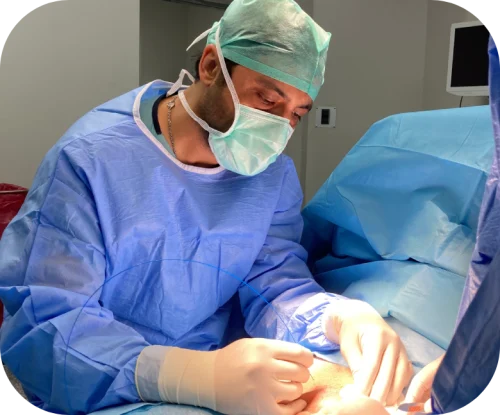
Urinary Incontinence Treatment Cost in Istanbul
How Much Is Urinary Incontinence Surgery?
The cost of urinary incontinence surgery may vary depending on the type of procedure and the medical centre where it is performed.
Feel free to contact us for any questions you may have:
Causes of Urinary Incontinence
Urinary incontinence is a symptom of an underlying condition. It is divided into two categories: short-term (temporary) and long-term (chronic) causes.
Short-Term Causes
- Urinary tract infections (cystitis): Irritation of the bladder wall can cause a sudden urge to urinate.
- Constipation: A full bowel can put pressure on the bladder, triggering urinary incontinence.
- Certain medications: Drugs such as diuretics, antidepressants, and antihistamines can affect bladder control.
Long-Term Causes
- Pelvic floor muscle weakness (particularly in women after childbirth and ageing)
- Prostate enlargement (BPH) or prostate surgery
- Neurological diseases: Stroke, MS, Parkinson's disease, spinal cord injury
- Diabetes: Nerve damage disrupts bladder control.
- Post-menopausal oestrogen decline: Causes weakness in urethral and vaginal tissues.
Urinary incontinence in women
Urinary incontinence is 2–3 times more common in women than in men.
The most common causes are relaxation of the pelvic floor muscles during childbirth, hormonal changes after menopause, and pelvic organ prolapse.
Stress urinary incontinence is the most common form in women.
Postmenopausal oestrogen therapy (local vaginal cream) may have supportive effects on urinary control.
Urinary Incontinence in Children
Urinary incontinence in children is most commonly seen as bedwetting (enuresis).
It is considered physiological up to the age of five; however, if it persists beyond this age, the child should be evaluated by a paediatric urologist.
Underlying causes may include urinary tract infection, constipation, excessive fluid intake, or psychological stress.
Urinary Incontinence in Men
Urinary incontinence is less common in men than in women and usually develops after prostate disease or prostate surgery.
One of the most common causes is urinary flow difficulties resulting from prostate enlargement (BPH) and the gradual weakening of the bladder muscle over time.
In addition, temporary or permanent urinary incontinence may occur after prostate cancer surgery (radical prostatectomy) due to sphincter weakness.
Treatment is planned according to the underlying cause: options include medication, exercises to strengthen the pelvic floor muscles, electrical stimulation methods, and, in advanced cases, the placement of an artificial urinary sphincter device.
Who is More Prone to Urinary Incontinence?
- Individuals over the age of 40
- In overweight individuals
- Women who have had multiple births
- Post-menopausal women
- In men who have undergone prostate surgery
- Those with neurological disorders
- Those with chronic constipation or cough
Diagnosis and Assessment
The most important step in diagnosis is to determine the type of incontinence.
1. Medical History and Examination
The frequency of incontinence symptoms, how they occur, fluid consumption habits, medications used, and urinary habits are inquired about.
If necessary, a 3-day bladder diary is kept. The bladder diary records the amount of fluid consumed and the frequency and amount of urination on a daily basis.
2. Laboratory and Imaging Tests
- Urine analysis: Shows whether there is an infection or blood in the urine, and indicates urine concentration.
- Uroflowmetry: Measures the flow rate of urine.
- Urodynamic testing: Bladder pressure and capacity are assessed.
- Ultrasonography: The general structure of the bladder and prostate is assessed. It is checked whether the bladder is completely emptying.
- Cystoscopy: The inner surface of the bladder is examined using an endoscopic camera system.
These tests guide the determination of appropriate treatment.
Urinary Incontinence Treatment
The treatment plan is determined based on the cause and severity of the urinary incontinence. There are many ways to help you control your bladder. Treatments range from lifestyle changes to bladder training, from medication to simple procedural treatments and surgery.
1. Lifestyle Changes
First, lifestyle changes such as altering your diet should be attempted. Lifestyle changes can alter your daily life. Lifestyle changes may not eliminate all symptoms, but you may notice an improvement in your symptoms after changing a few habits. In some individuals, weight loss may also help alleviate urinary symptoms.
Fluid Control
It is important to keep track of what you drink, when you drink it, and how much you drink. You should limit your intake of caffeine and alcoholic beverages. These drinks increase the amount of urine reaching the bladder due to their diuretic effects, and they also increase bladder contractions, triggering frequent urination. It is ideal to drink six to eight glasses of water a day. In addition, you may be advised not to drink water for a few hours before bedtime. This can help reduce the need to get up during the night to use the toilet. You may be advised not to drink alcohol a few hours before bedtime. This can help reduce the need to get up during the night to urinate.
Limit Certain Foods and Beverages!
It has been found that certain foods and drinks irritate the bladder in some people. For example, it is known that spicy foods, coffee, tea and fizzy drinks can irritate the bladder.
Bladder training is also part of this stage: going to the toilet at regular intervals (for example, every 2–3 hours) and gradually increasing the time you hold your urine retrains the bladder. Timed urination, scheduled urination or double voiding are methods that can help with both overactive bladder and stress-type urinary incontinence. If you urinate very frequently, retraining your bladder may help. The goal is to hold your urine in your bladder for progressively longer periods of time. This is achieved in small steps. Start by adding five to ten minutes. The goal is to retrain your bladder to hold urine for three to four hours, reducing urgency and leakage problems.
Don't delay, let's meet now !
- Feneryolu Bagdat Avenue No 85/1 Postal Code: 34724 Kadıköy/İstanbul - Turkey
2. Pelvic Floor Exercises (Kegel Exercises)
Kegel exercises can strengthen the urethral sphincter and pelvic floor muscles. This applies to all genders. Learning to tighten and relax these muscles can help with bladder control. These exercises are particularly effective for stress-type urinary incontinence, both on their own and in combination with other treatments.
3. Medication Treatment
Anticholinergics
This is the most commonly used group of medications for urge incontinence.
They work by preventing excessive contraction of the bladder muscles (detrusor), thereby increasing urine storage capacity.
Anticholinergic side effects such as dry mouth, constipation, and blurred vision may occur.
β3-adrenoreceptor agonists
It increases storage capacity by relaxing the smooth muscles of the bladder and reduces the feeling of urgency.
It is an effective alternative for patients who are intolerant to anticholinergic medications.
Blood pressure monitoring is recommended as it may slightly raise blood pressure.
Vaginal Oestrogen
It is effective in urinary incontinence caused by atrophy in the urinary tract and vaginal tissues during the postmenopausal period.
It is applied locally in the form of a vaginal cream or ovule.
It supports urinary control by increasing the mucosal resistance around the urethra.
Regular gynaecological monitoring is recommended during long-term use.
Serotonin and noradrenaline reuptake inhibitor (SNRI)
It is a medication used in the treatment of stress-induced urinary incontinence.
It belongs to the serotonin and noradrenaline reuptake inhibitor (SNRI) group.
It reduces urinary incontinence by increasing muscle tone around the urethra and strengthens pelvic floor reflexes.
Side effects such as nausea, dizziness, and insomnia may occur in the first few weeks, but are usually temporary.
4. Nerve Stimulation (Neuromodulation)
- PTNS (Tibial Nerve Stimulation): A nerve signal is modulated using an electrode placed on the ankle.
- Sacral nerve stimulation (SNS): A "bladder pacemaker" is placed under the skin. It regulates the signal between the bladder and the brain.
5. Bladder Botox® Treatment
Botox® (onabotulinumtoxin) may help reduce urinary urgency and incontinence by relaxing the muscles in the bladder wall. The effects of Botox® last approximately six to nine months, so treatment must be repeated when overactive bladder symptoms return. A small instrument called a cystoscope is used to place Botox® into the bladder. A small needle attached to the cystoscope is used to inject and spread small amounts of Botox® directly into the bladder wall. It spreads evenly throughout the bladder. This procedure can usually be performed in the doctor's office under local anaesthesia (a numbing mixture in the bladder). A small number of people may experience difficulty emptying their bladder for a short time after this treatment and may need to use a catheter (small tube) to drain urine from their bladder until their urinary symptoms improve.
6. Surgical Treatment (Urinary Incontinence Surgery)
Surgical treatment is considered for patients whose condition cannot be controlled with medication and exercise or who desire a permanent solution.
In women with stress urinary incontinence, mid-urethral sling procedures (TVT/TOT) are most commonly performed. This procedure involves inserting a synthetic sling under the urethra through the vaginal route and has a success rate of over 90%.
In men, artificial sphincter implantation or male sling procedures are the most commonly used surgical methods for urinary incontinence that develops after prostate surgery.